On-Page SEO Best Practices: The Ultimate Guide to Higher Rankings
✅ Key Takeaways
On-Page SEO Best Practices directly influence your search rankings and click-through rates.
Meta title optimization and compelling meta descriptions are your first impression in SERPs.
High-quality SEO content with strategic keyword optimization satisfies user intent.
Heading tags (H1–H6) create a clear hierarchy and improve readability for both users and crawlers.
Internal linking distributes link equity and helps search engines understand your site structure.
WordPress SEO plugins and proper site architecture make implementation smoother.
(Insert Featured Image Here)
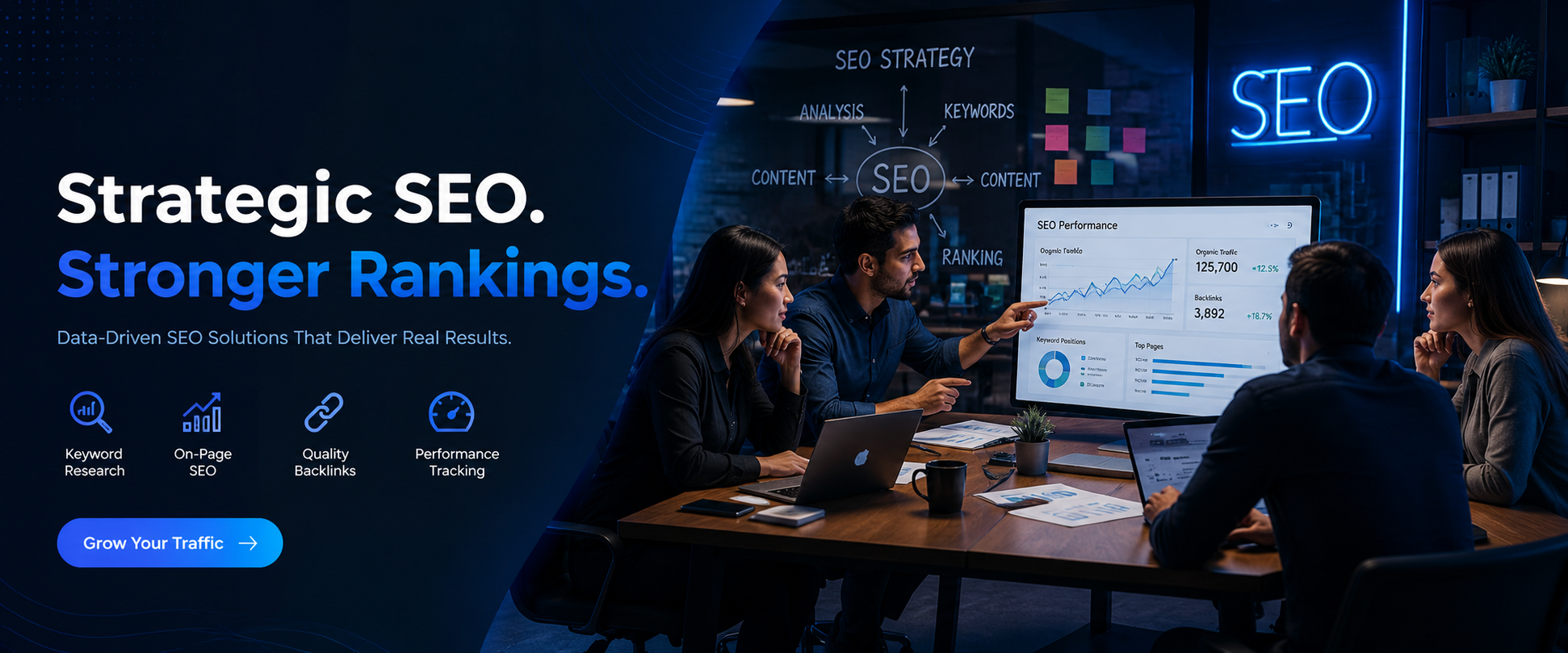
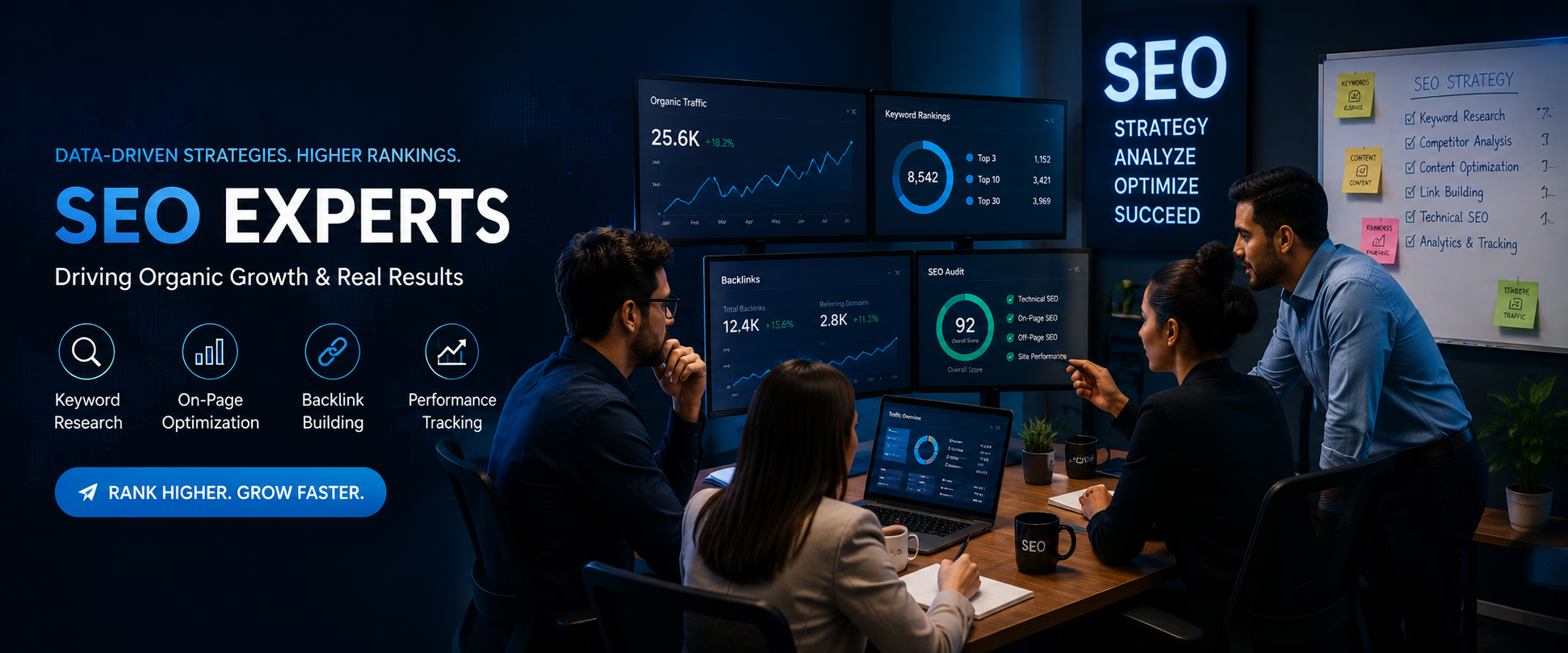
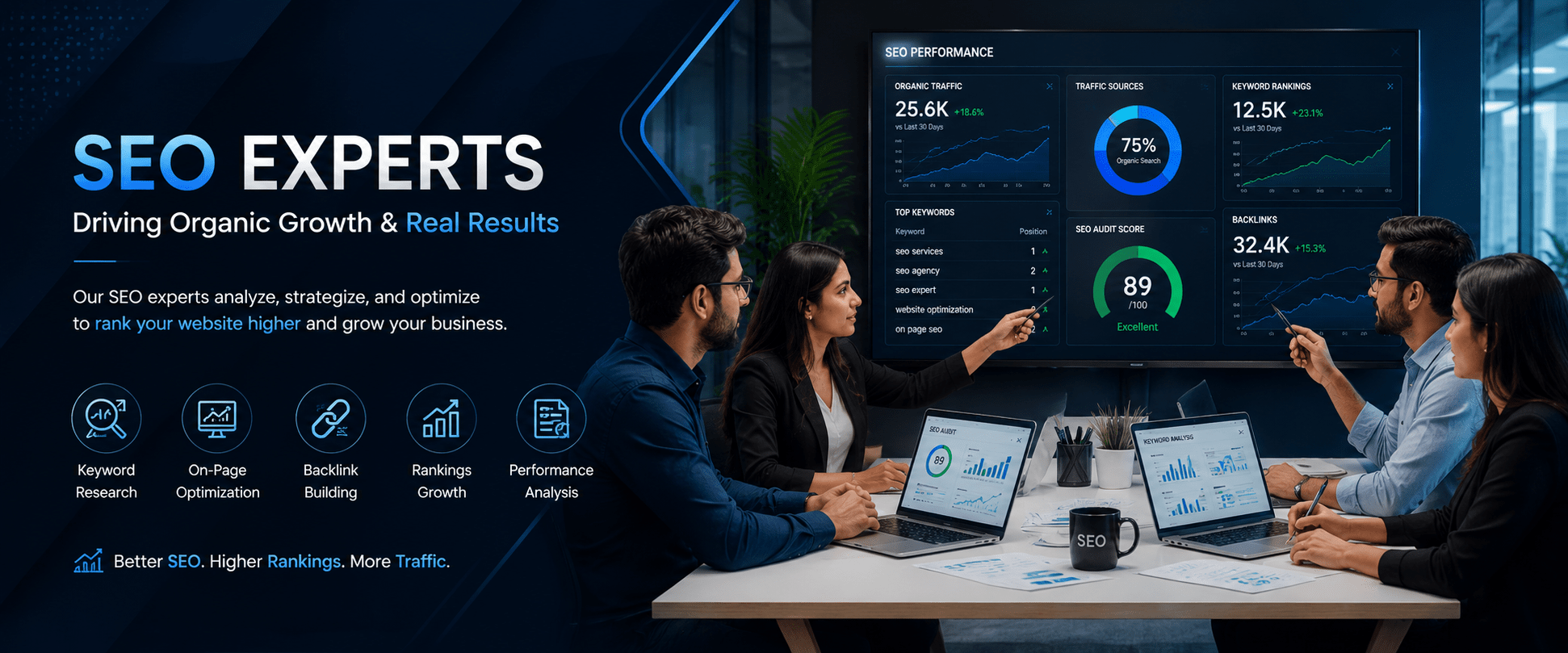
Image Alt Text: A digital strategist reviewing On-Page SEO Best Practices on a laptop.
What Is On-Page SEO?
On-Page SEO (also called on-site SEO) refers to the practice of optimizing individual web pages to rank higher and earn more relevant traffic in search engines. It includes both the content you publish and the HTML source code. The main pillars include meta title optimization, meta descriptions, heading tags (H1, H2, H3…), keyword optimization, internal linking, and overall SEO content quality.
Unlike off-page SEO (backlinks, social signals), On-Page SEO Best Practices are fully under your control — you decide the keywords, the structure, and the signals you send to Google. As a leading WordPress Development Company Pune, we have seen how proper on-page optimization transforms traffic. Whether you need Google SEO Services Pune or Technical SEO Services Pune, the principles remain the same: relevance, authority, and user experience.
Why It Matters
Google’s algorithm analyzes over 200 ranking factors, and most of them are on-page. If your meta description doesn’t include your main keyword, if your H1 is missing, or if your page speed is slow—you are handing traffic to your competitors.
Businesses in Pune, especially those looking for Local SEO Services Pune or GMB SEO Services Pune, cannot afford weak on-page SEO. Why? Because local searches rely heavily on relevance signals (title tags, address, schema). A well-optimized page is the difference between appearing in the local map pack or being buried on page three.
Benefits of On-Page SEO Best Practices
Higher search rankings: Optimized pages tend to rank better for targeted keywords.
Improved click-through rate (CTR): Compelling meta titles and descriptions attract more clicks.
Better user experience: Clear headings, logical structure, and relevant content keep visitors engaged.
Faster indexing: Clean code and internal linking help search engine bots crawl efficiently.
Long-term organic traffic: On-page optimization yields compounding returns over time.
How It Works
On-Page SEO Best Practices work by aligning your content with search intent. Here is the simplified flow:
Keyword research: Identify what your audience is searching for (primary + secondary keywords).
Strategic placement: Insert your main keyword in the meta title, H1, first 100 words, and naturally throughout the content.
Structure: Use heading tags (H1, H2, H3) to break up content logically.
Optimize meta data: Write a unique meta title and meta description.
Internal linking: Link to relevant pages on your site using descriptive anchor text.
Content quality: Ensure your SEO content is comprehensive, original, and satisfies user intent.
Step-by-Step Guide
Step 1: Start with a Focus Keyword. Choose a primary keyword—our main focus here is On-Page SEO Best Practices.
Step 2: Optimize Your Meta Title & Description. Your meta title should include the main keyword near the beginning. Keep your meta description compelling and under 160 characters.
Step 3: Use Heading Tags Correctly. Use only one H1 tag (your title). Use H2 tags for main sections and H3 for sub-sections.
Step 4: Write High-Quality SEO Content. Aim for at least 1,500 words. Naturally integrate keywords—avoid keyword stuffing.
Step 5: Internal Linking Strategy. Link to other relevant pages on your website using descriptive anchor text.
Step 6: Image Optimization. Use descriptive file names and alt text containing your keywords.
Examples
Example 1: A blog post about WordPress SEO. The meta title could be “WordPress SEO: 10 On-Page SEO Best Practices for 2026″. The H1 matches the title, and H2s cover subtopics like meta title optimization and internal linking.
Example 2: An eCommerce product page. The meta title includes the product name and keyword. The H1 is the product name, H2s describe features, and the content includes internal links to related products.
Comparison Table: On-Page vs Off-Page vs Technical SEO
Common Mistakes
Keyword stuffing: Repeating keywords unnaturally hurts readability and rankings.
Missing meta descriptions: Google may auto-generate a poor snippet.
Duplicate H1 tags: Every page needs a unique H1.
Ignoring local SEO: Not adding city-specific keywords loses local traffic.
No internal links: Missing opportunities to pass link equity hurts your site structure.
Expert Tips for On-Page SEO Best Practices
✅ Use GMB SEO Services Pune to align your Google Business Profile with on-page signals.
✅ For WordPress Development Company Pune clients, we recommend Yoast or Rank Math for real-time analysis.
✅ Conduct a Website Audit Services Pune every quarter to catch broken links and thin content.
✅ Combine SMO Services Pune with on-page to amplify content reach.
✅ Use LSI keywords naturally—Google’s NLP models love semantic relevance.
Best Practices
Always include your primary keyword in the first 100 words.
Write for humans first, search engines second.
Keep paragraphs short (2-4 sentences) for readability.
Use bullet points and numbered lists to increase dwell time.
Link to authoritative external sources and internal service pages.
Implement Technical SEO Services Pune best practices: schema, canonical tags, and robots.txt.
Recommended Tools
Yoast SEO / Rank Math: Plugins that guide meta title and content analysis.
Google Search Console: Monitor indexing, clicks, and impressions.
Ahrefs / SEMrush: Keyword research and content auditing.
Screaming Frog: Audit meta titles, headings, and broken links.
PageSpeed Insights: Check loading speed and Core Web Vitals.
Troubleshooting Common On-Page Issues
Pages not indexed? Check robots.txt and meta noindex tags. Submit via Google Search Console.
Low CTR? Rewrite meta descriptions with power words and include the keyword early.
High bounce rate? Improve content readability, add multimedia, and use internal links to Website Maintenance Company Pune services.
Keyword cannibalization? Merge similar pages or use canonical tags.
Frequently Asked Questions (FAQs)
Q1. What is on-page SEO?
On-page SEO refers to optimizing elements on your website—content, meta tags, headings, internal links, and HTML—to improve search engine rankings and user experience.
Q2. How do I optimize my content?
Start with thorough keyword research. Use your primary keyword in the meta title, H1, and early in the content. Write naturally, include subheadings, and ensure your content answers user intent.
Q3. Are meta titles important?
Absolutely. Meta titles are the first thing users see in search results. A well-optimized title boosts click-through rates and signals relevance to search engines.
Q4. How many keywords should I use?
Focus on one main keyword per page and 2–4 secondary related keywords. On-Page SEO Best Practices are about quality, not quantity—avoid stuffing.
Q5. Do headings improve SEO?
Yes! Properly nested heading tags (H1, H2, H3) improve content structure and readability, helping search engines identify key topics.
Q6. How does internal linking help?
Internal linking spreads authority across your site, helps search engines discover new pages, and encourages visitors to explore further.
Conclusion
Mastering On-Page SEO Best Practices is not optional—it’s the bedrock of online visibility. From title tags and meta descriptions to technical schema and local relevance, every element works together to push your site to the top. Whether you run a startup in Hinjewadi or a global brand, these principles apply universally. Start your optimization journey today, and don’t hesitate to reach out for professional SEO help.
🚀 Ready to Dominate Search Results?
Get a complete SEO audit and tailored strategy from our team. Let’s turn your website into a traffic magnet.
👉 [Get Your Website Audit & SEO Services Now]
Article by Senior SEO & Content Team — © 2026